


Thinking outside the box: IP protection for toys and games

The global toy industry is built on brands, however, the industry faces a problem of third party copycats who have become IP savvy and are continually finding inventive ways to mimic or call to mind a particular game or toy without copying the brand name. To deal with this kind of infringement, toy and game companies need to rely on a comprehensive and broad portfolio including a range of different IP rights. This extends far beyond protecting the traditional brand name and logo. In this article, we look at the different types of IP used by companies to protect games and toys and explore some of the less obvious ways to protect unique assets.
How many ways can you protect the features of a toy? – a case study
If you think protecting your latest release ends at filing a trade mark for the brand name, you might be surprised at the myriad of different options available.
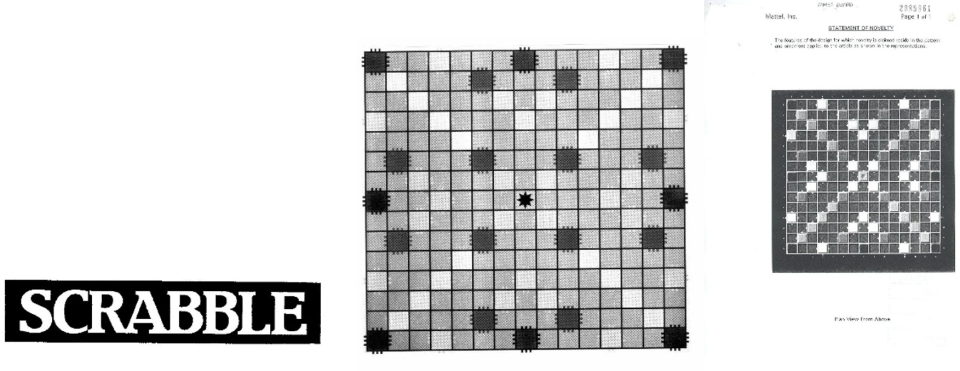
Take Scrabble, one of the most popular board games of all time with 165 million copies sold and a staple of the family Christmas gathering. Besides one or two trade mark registrations for the name and logo, you might think there is otherwise relatively little to protect as an IP asset in this game, but the game is actually protected by all four major types of IP:
- Trade Marks: In the UK alone, Mattel owns no less than 15 trade mark registrations including the word ‘SCRABBLE’ in various classes, for goods and services ranging from the obvious (toys and games in class 28) to less so (jewellery in class 14 and snack foods in class 30). It has also protected the broad layout via a figurative trade mark.
- Designs: the game board was also protected by a registered design when it was first launched, claiming novelty for the “pattern and ornament applied”.
- Copyright: The board, along with other assets such as the rule book and the packaging, will also be protected automatically by copyright.
- Patents: It may also surprise you to know that UK patents for Scrabble gameplay and the tile rack were filed by the game’s original manufacturers, James and Helen Brunot, although protection for these inventions lapsed in the 1970s.
Scrabble provides a great example of how all four major types of IP protection have been combined together to provide a comprehensive portfolio protecting what most people would assume is a simple board game with limited IP assets.
Design protection
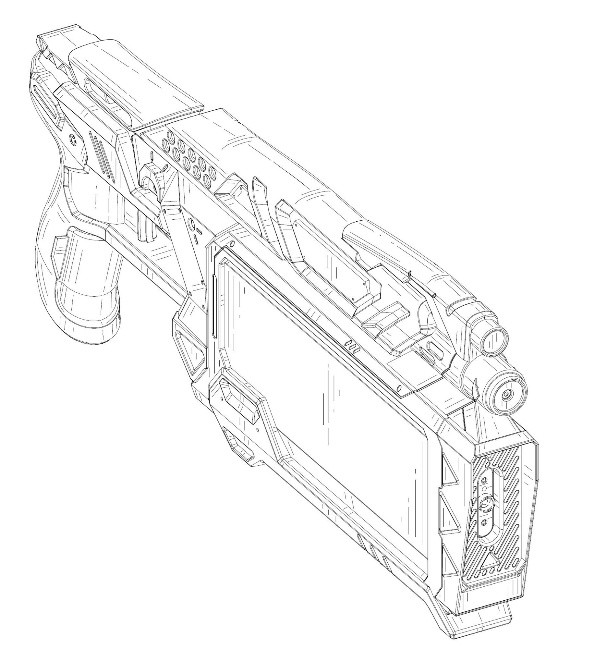
Design registrations help protect the appearance of a product, such as its shape or surface pattern. Design protection is particularly important for toys and games where the appearance of the product is a major selling point, for example action figures, dolls and collectibles. Hasbro owns a number of design registrations for various types of Nerf gun, including no. 6462343 for a water blaster (shown below). The appearance of a toy is often a key factor in its commercial success in a saturated and competitive market. Design registrations can provide important protection against copycat products, which are unfortunately commonplace in toys and games, especially if your product becomes very popular.
Smell marks
Just like their products, toy companies have embraced the unconventional, seeking IP protection beyond traditional word and logo trade marks. In 2018, Hasbro was granted a smell mark in the US for the scent of Play-Doh, described on the register as “a sweet, slightly musky, vanilla fragrance, with slight overtones of cherry, combined with the smell of a salted, wheat-based dough”. Similarly, a trade mark application for the scent of Crayola crayons is currently under examination in Canada, described as “a unique scent of a pungent, aldehydic fragrance combined with the faint scent of a hydrocarbon wax and an earthy clay”.
In UK practice, smell marks are rarely accepted, due to the difficulty in representing such marks in an acceptable format. A trade mark must be capable of representation on the register in a “clear” and “precise” way. Under UK and EU practice, a chemical formula or written description of a smell mark will not satisfy the requirements of graphical representation on the register, as they are neither clear, precise nor objective. This is still a developing area of law and it remains to be seen whether changes in practice will ever lead to smell marks being accepted in the UK.
Sound marks
The advent of sound marks has also led some toy and game companies to seek trade mark protection for theme songs or iconic sound motifs. Tetris LLC owns a UK trade mark registration for the iconic ‘Tetris’ theme. The mark is shown on the register as musical notation. Game publisher Ubisoft also owns a UK trade mark registration for what is described as the “yelling of a fictitious person characterised by a shrill cry”, although this is shown as a frequency graph on the register.
While not as rare as smell marks, sound marks are uncommon at the UKIPO, as it can be difficult to prove that they are distinctive and serve as a badge of origin. The UKIPO manual of trade marks practice states that both MP3 files and a picture of the musical notation may be acceptable representations of sound marks.
While there is no one-size-fits-all approach to IP protection for toys and games, the above examples are a useful reminder that trade mark protection can extend beyond the traditional, with unique ways to protect the distinctive features of a product.
Patents
Patents play an important role in the toy industry, protecting innovative features that are new to the market. Patents protect new technical inventions rather than the brand or appearance of a product. Patent protection prevents market dilution by preventing the proliferation of copycat products.
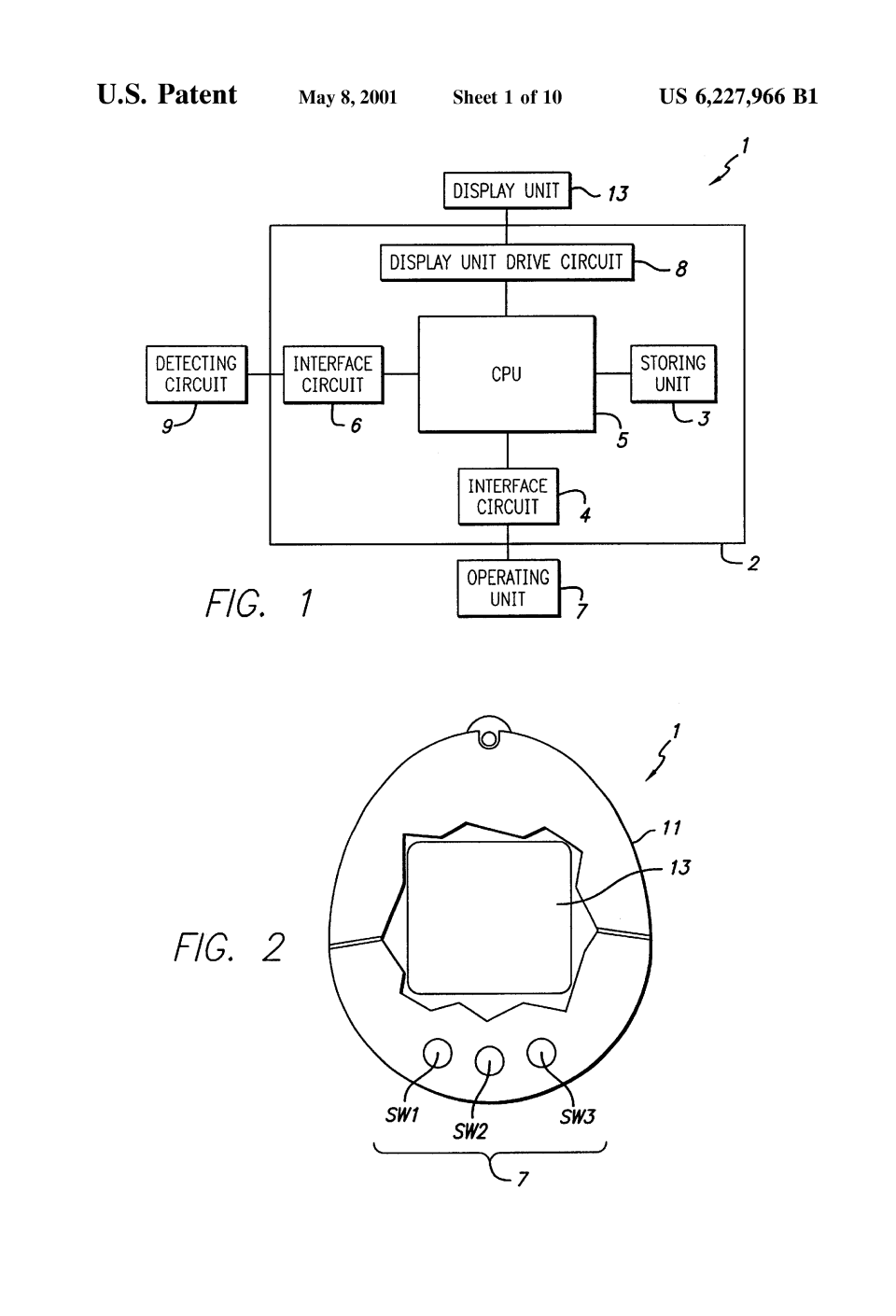
Alongside flip phones and questionable fashion trends, the turn of the millennium brought a global craze for the handheld digital pet Tamagotchi. Pet owners are tasked with raising a digital pet from egg to adulthood in real time, with dire consequences if a pet is not cared for properly. The pet is housed in a unique egg-shaped device with an LCD screen and three control buttons. Toy manufacturer Bandai has filed numerous patents for different aspects of the toy, such as inputs for the egg device and the mechanics of raising the pet (e.g how the user’s actions affect the pet’s growth and development).
Three decades on from its initial launch, Tamagotchi pets are enjoying a nostalgia-driven comeback. Patents may have been an important tool to help Bandai protect the technical assets of the toy during its early years and protect it from competitors flooding the market with similar products. The lack of similar digital pet toys on the market gave Bandai a competitive edge and means it is still the market leader decades later during a nostalgic revival of digital pet toys.
Copyright
Generally speaking, copyright protects creative expression by preventing others from copying distinctive creative elements. For toys and games, this may come in the form of artwork on a game board, cards and packaging and written instruction manuals
The importance of these rights can be seen in a recent dispute involving the popular animal figurine toys Sylvanian Families. In April 2025, Epoch, the maker of Sylvanian Families, filed a copyright infringement lawsuit in the USA against Thea von Engelbrechten, the creator of “Sylvanian Drama”. Sylvanian Drama was a viral social media parody account featuring Sylvanian Families toys acting out adult-themed storylines, with several of its videos being sponsored by brands like Netflix, Taco Bell and Burberry. Epoch alleged that the parody was causing “irreparable injury” to the Sylvanian Families brand, a franchise centered on charming animal characters and intricate playsets aimed at children. The matter came to a close in August 2025 after von Engelbrechten changed the name and profile picture of the account and Epoch withdrew the lawsuit, suggesting that the parties may have reached a settlement.
Unlike trade marks, designs, and patents, in the UK there is no process for registration of copyright, it arises automatically when an original work is created. The broad scope and long duration of copyright protection make it a valuable part of any toy manufacturer’s IP portfolio, especially where branding is tied to characters, artwork and storytelling, and can be a useful addition to the IP toybox when dealing with third party mimics who avoid direct copying of trade mark assets.
The right IP for the right asset
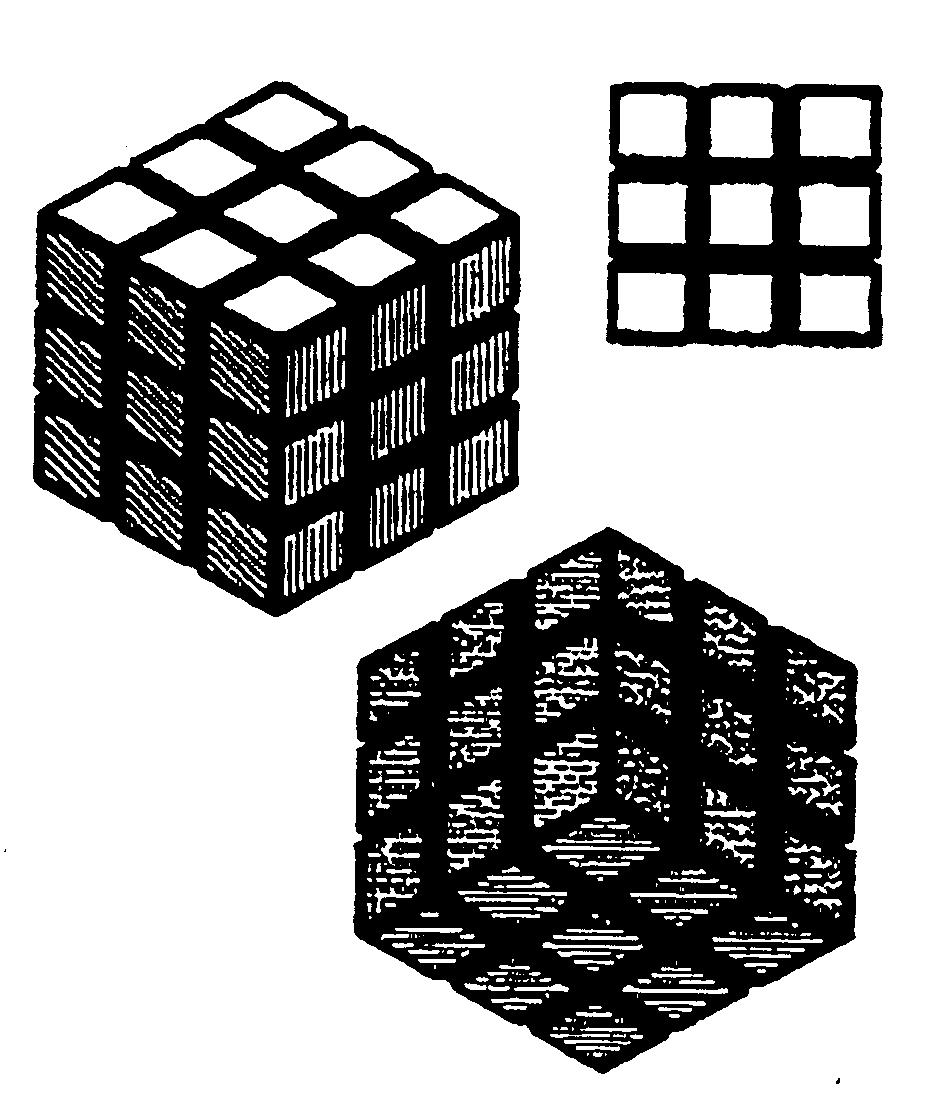
The Rubik’s Cube is probably the world’s best-selling puzzle game, with more than 500 million cubes sold worldwide as of January 2024. But did you know that in 2016 it lost its EU shape mark registration for the appearance of the cube? The registration was challenged by a competing toy manufacturer, Simba Toys, who applied for invalidation on the grounds that the mark was functional. Under EU trade mark practice, signs that exclusively consist of the shape or another characteristic of goods necessary to obtain a technical result cannot be registered as a trade mark.
The General Court upheld the EUIPO’s decision to invalidate the Rubik’s Cube shape registration, ruling that it featured rotating capabilities and a grid structure that were both core functions of the puzzle. Further, trade mark registrations should not grant a monopoly over technical solutions that are more suited to patent protection. This case serves as a reminder of the difference between trade marks and patents, highlighting the importance of a combined approach towards IP protection and making sure the right type of IP is chosen for each feature of the product. A combination of trade marks, designs and patents is often the best approach.
Conclusion
The toy industry perfectly illustrates how different types of IP rights complement each other, with the world’s best-known toy brands relying on a combination of trade marks, designs, patents and copyright to protect their unique features. To preserve the long-term value of a brand, it is important to take a holistic approach towards IP protection, and understanding the strengths and limitations of each type of IP right is essential to building an effective protection strategy. For many toy and game businesses, the most valuable IP strategy is not choosing between different types of IP, but understanding how they can work together to provide comprehensive protection.
Whether you are launching a new product or managing an established brand, our trade marks team can assist with developing a tailored IP strategy for your business. Get in touch here.
INTA Leadership Meeting 2026
Share
